
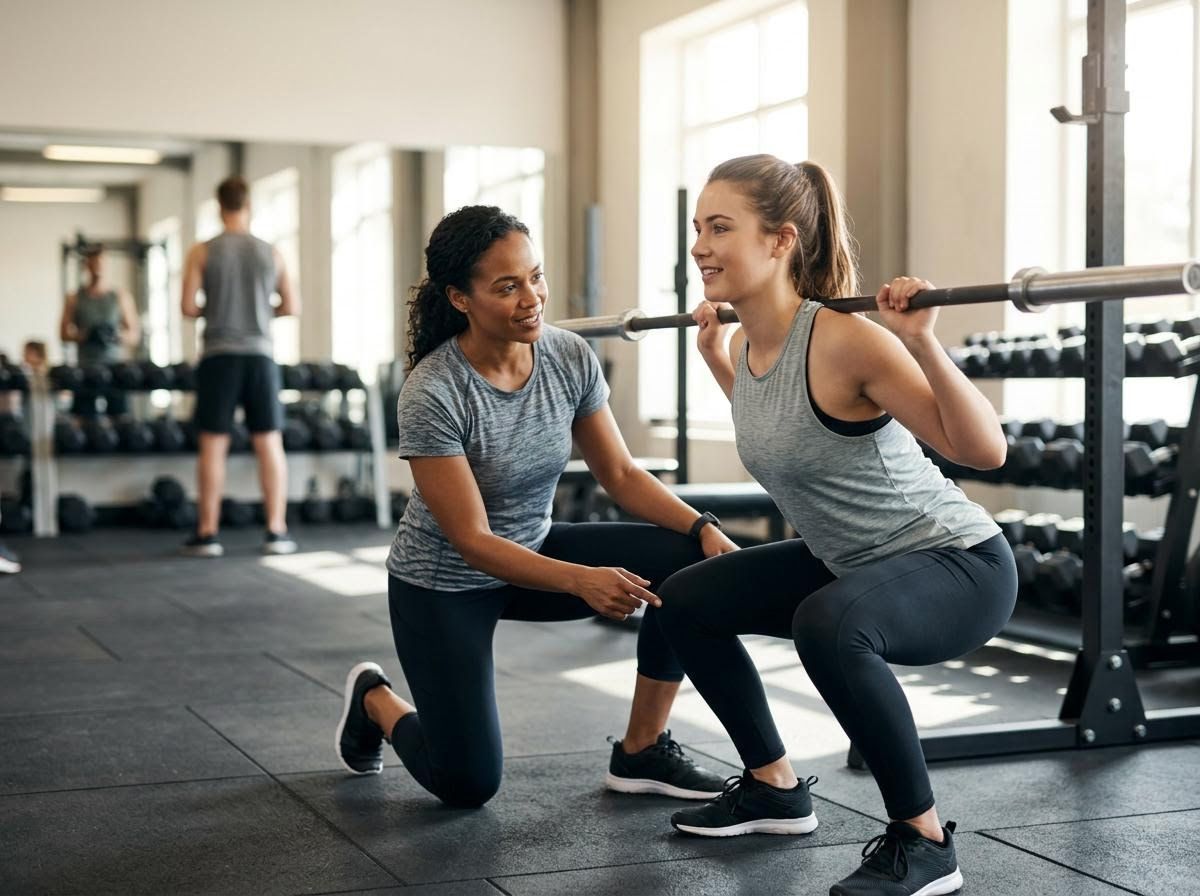
Mastering the correct technique for exercises is not just about maximizing your workout's effectiveness; it's crucially about preventing injuries and ensuring long-term progress in your fitness journey. Whether you're a seasoned gym-goer or just starting, understanding proper form is foundational to achieving your health and wellness goals. At Fit Life Health Clubs Aiken, SC, we believe that education is key to empowering our members to train safely and efficiently. This guide will break down the proper form for some of the most common gym exercises, helping you move with confidence and purpose.
The Squat: Foundation of Lower Body Strength
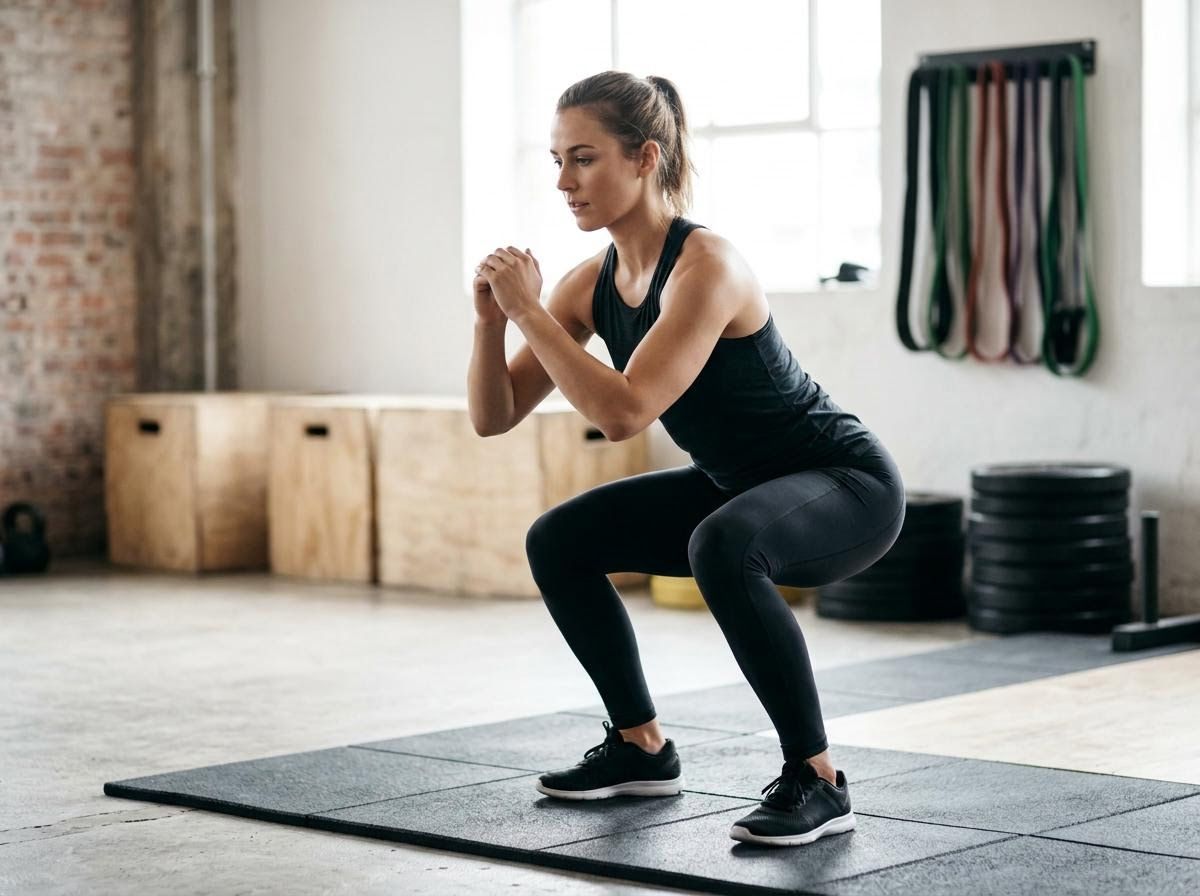
The squat is a fundamental movement pattern that targets your glutes, quadriceps, and hamstrings. To perform a proper squat, begin by standing with your feet shoulder-width apart, toes pointed slightly outward. Initiate the movement by pushing your hips back as if you're sitting into a chair, while simultaneously bending your knees. Keep your chest up, shoulders back, and core engaged throughout the entire movement. Your heels should remain firmly on the ground, and strive to get your thighs at least parallel to the floor, if your mobility allows. As you stand back up, drive through your heels, squeezing your glutes at the top. Avoid letting your knees collapse inward or your back round.
Mastering the Push-Up: Upper Body Power
The push-up is an excellent compound exercise for developing strength in your chest, shoulders, and triceps, while also engaging your core. Start in a plank position with your hands slightly wider than shoulder-width apart and your body forming a straight line from your head to your heels. Lower your chest towards the floor by bending your elbows, keeping them tucked slightly towards your body rather than flaring out wide. Ensure your core stays tight to prevent your hips from sagging or rising too high. Push through your palms to return to the starting plank position, maintaining that straight body line. If a full push-up is too challenging, start by performing them on your knees or against an elevated surface like a bench.
The Deadlift: Building Full-Body Strength
Often considered the king of exercises, the deadlift powerfully works your entire posterior chain, including your glutes, hamstrings, and back, along with significant core engagement. Begin with your feet hip-width apart, shins close to the barbell (or dumbbells). Hinge at your hips and bend your knees to grasp the bar with an overhand or mixed grip, hands just outside your shins. Keep your back straight, chest up, and shoulders pulled back. Take a deep breath, brace your core, and drive through your heels, lifting the weight by extending your hips and knees simultaneously. Keep the bar close to your body throughout the lift. At the top, stand tall without hyperextending your back. To lower the weight, reverse the motion by hinging at your hips first, then bending your knees, maintaining control as the weight descends.
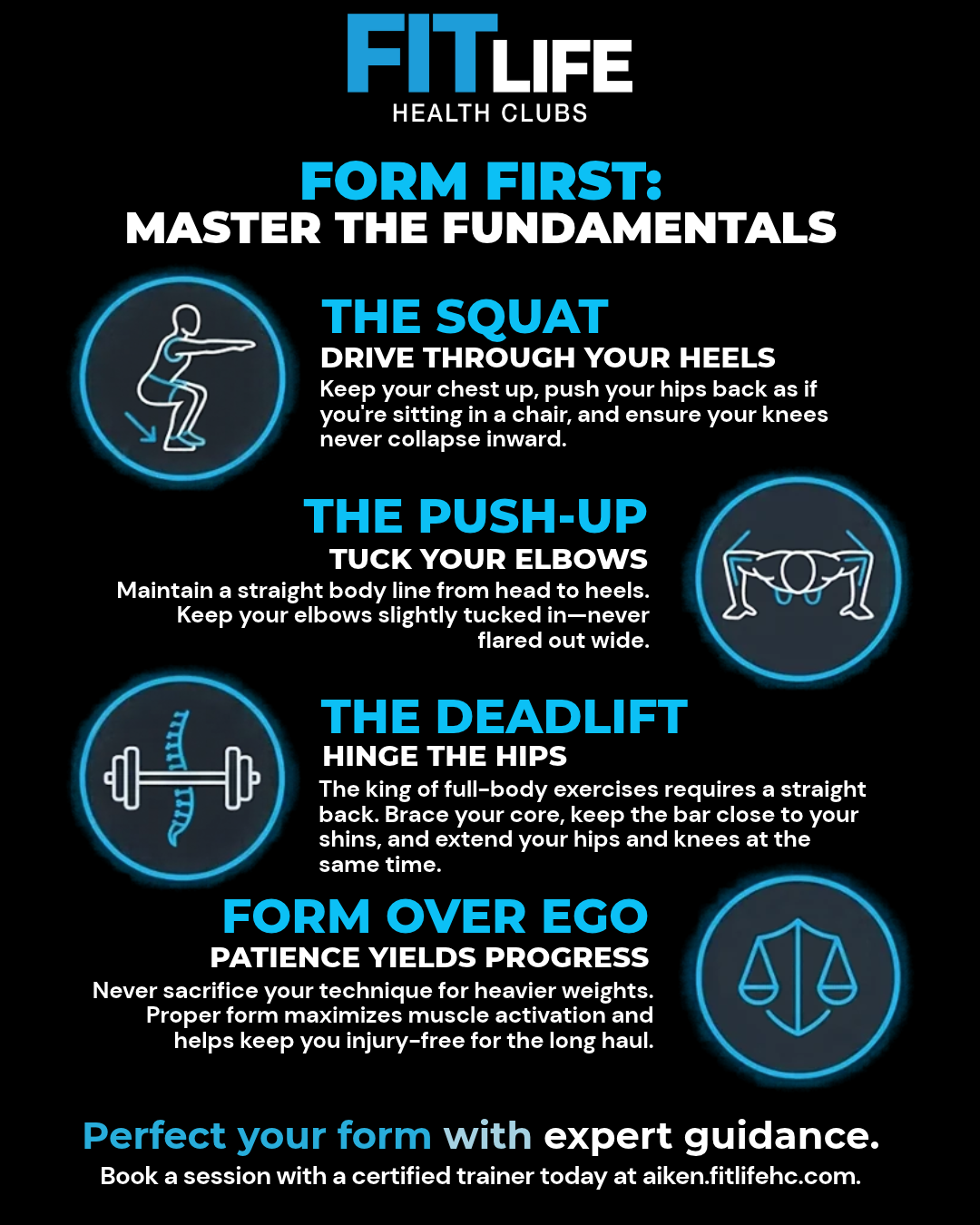
Understanding and applying proper form is paramount for an effective and safe fitness journey. It minimizes the risk of injury, maximizes muscle activation, and allows for consistent progress, helping you build a stronger, healthier body. Remember, rushing through repetitions or sacrificing form for heavier weights can be counterproductive. If you're unsure about your technique or want personalized guidance, our certified personal trainer team is always ready to assist. Exploring our small group fitness classes can also offer a supportive environment to learn and practice correct movements. For more information on optimizing your workouts and securing a Gym Membership that supports your goals, we invite you to consult with one of our fitness professionals.